Spring Allergy Relief Content Plan: Social + Blog Campaign for Clean Air Genie
Dirty air ducts can turn your home into a hidden hotspot for spring allergies. Dust, pollen, and other allergens build up inside ducts and get pushed back into your living space every time your HVAC runs. For Thornton homeowners, this can mean more sneezing, coughing, and discomfort during Colorado’s allergy season. In this article, you’ll learn how air duct cleaning can reduce these irritants and help you breathe easier indoors.
Dirty Air Ducts and Spring Allergies
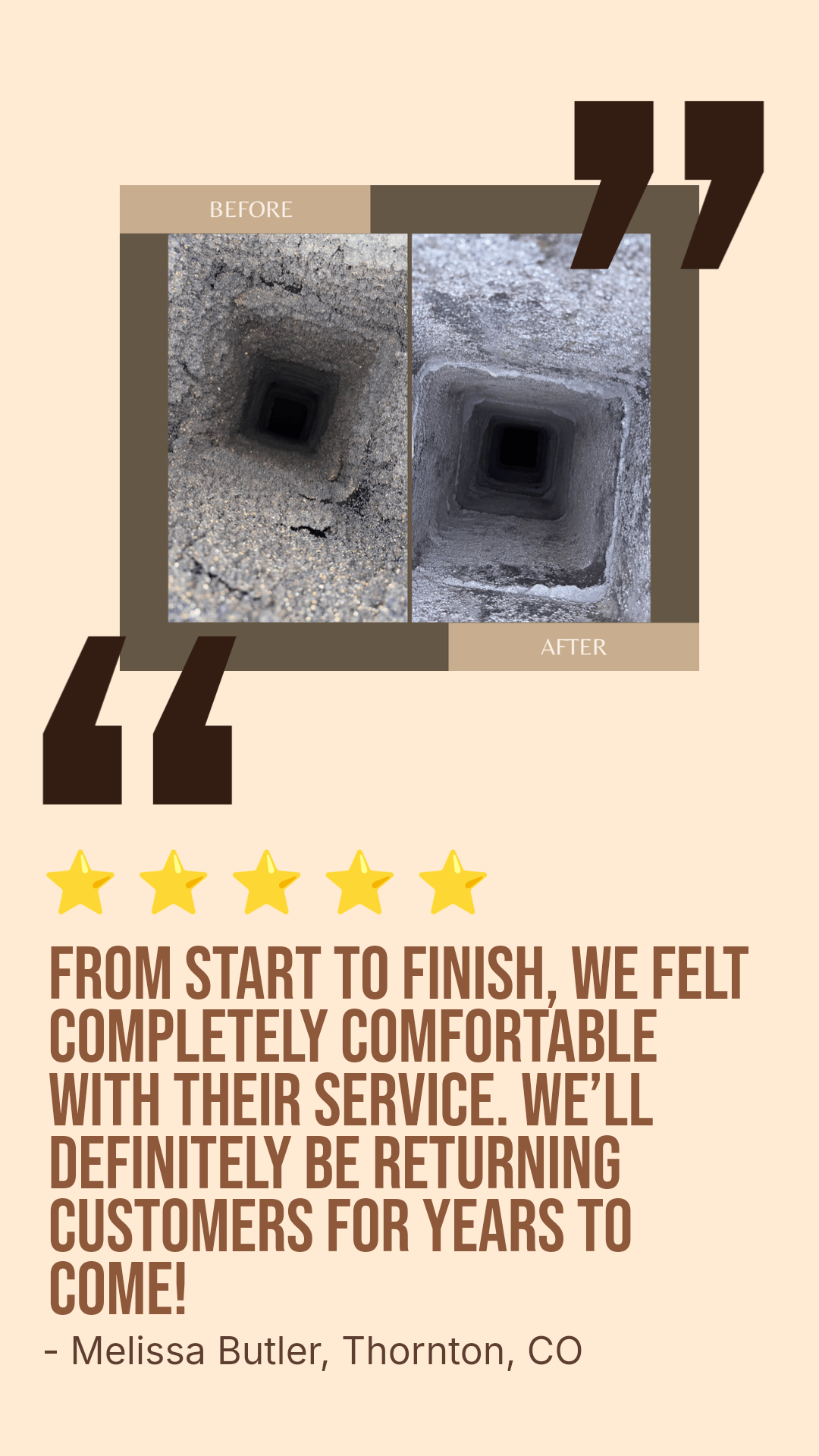
Springtime in Colorado often brings a surge of allergies, and your home’s air ducts might be a culprit. Understanding the role of air ducts in spreading allergens is crucial for finding relief.
Pollen and Dust in Ducts
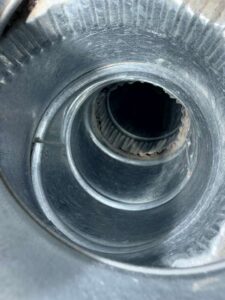
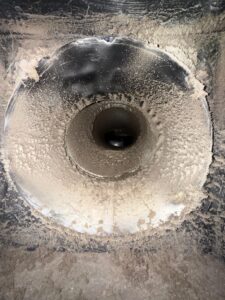
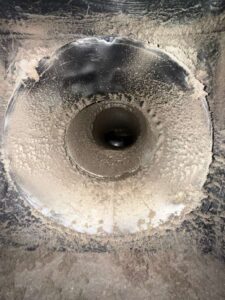
Pollen and dust can sneak into your home and hide in air ducts. Each time your HVAC system runs, these particles get stirred up and flow back into your living areas. This cycle can make allergies worse, especially during the peak allergy season. Cleaning these ducts means fewer allergens circulating in your home, providing relief from constant sneezing and runny noses.
Did you know that 90% of dust in homes can accumulate in ducts over time? This statistic highlights the importance of routine cleaning. Most people assume their home is clean because they vacuum regularly. Yet, without duct cleaning, allergens continue to thrive invisibly.
HVAC Systems Spread Allergens
Your HVAC system could be spreading more than just air. When filled with dust and pollen, it pumps these particles into every corner of your home. This distribution can irritate your respiratory system, causing symptoms like coughing and itchy eyes.
Most people think running the HVAC more often keeps homes comfortable. But, if it’s dirty, it spreads irritants. A clean system ensures that you breathe fresh air, free from harmful particles.
Signs Ducts Need Cleaning
How can you tell if your ducts need attention? Look out for signs like visible dust on vents, unusual odors, or increased allergy symptoms. These indicators suggest that it’s time to consider professional cleaning.
Ignoring these signs might lead to more severe allergy issues. Homeowners often overlook duct cleaning, thinking their regular cleaning routine suffices. Yet, addressing duct cleanliness directly impacts your indoor air quality and overall health.
Clogged Dryer Vents Impact Air Quality
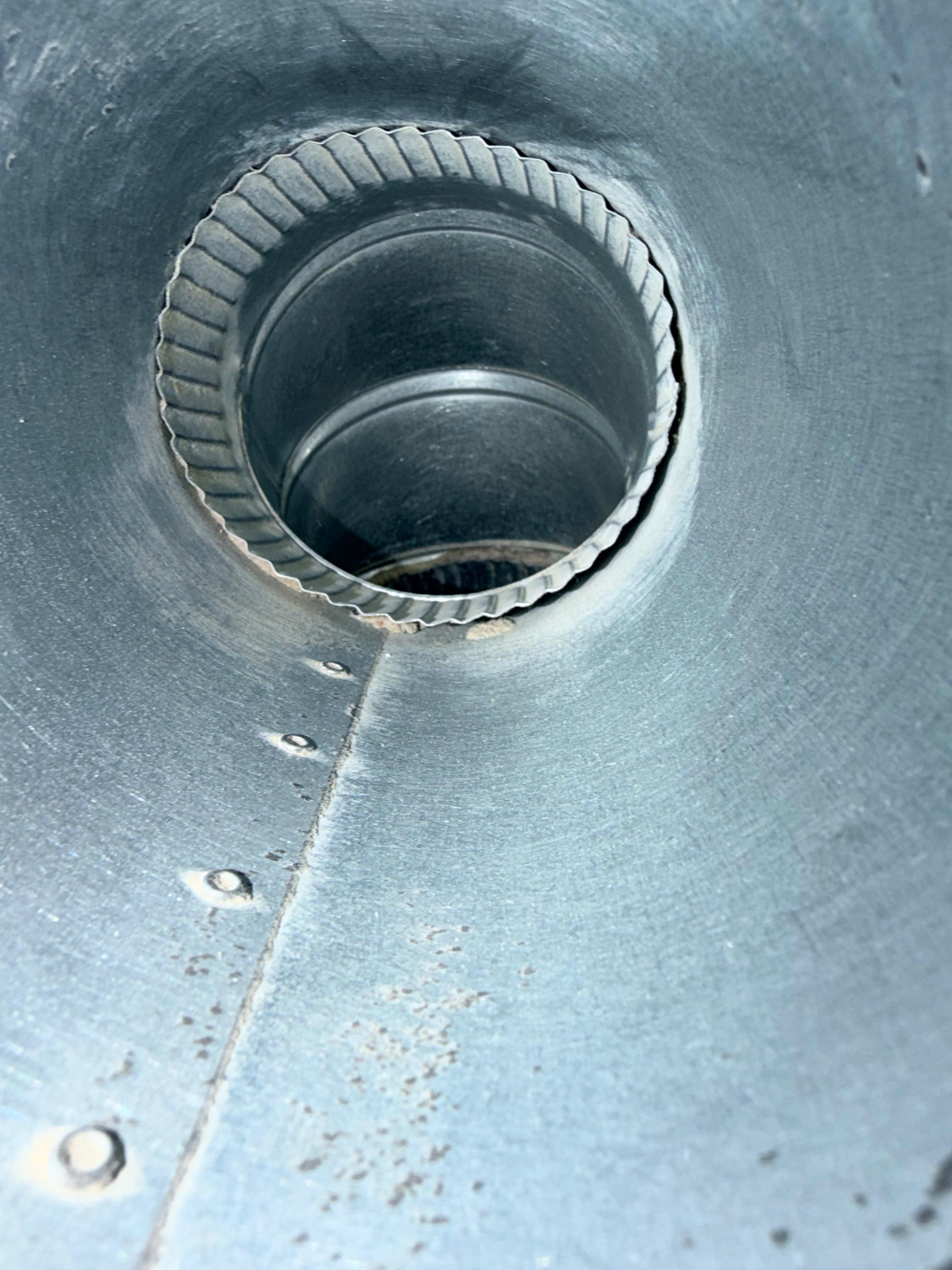
Often underestimated, dryer vents play a significant role in maintaining your home’s air quality. When clogged, they can create more problems than you might think.
Lint Buildup Inside Vents
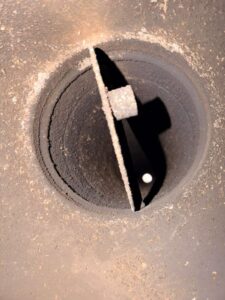
Lint buildup inside vents is a common issue. As you use your dryer, lint accumulates and clogs the vent, reducing its efficiency. This buildup not only affects drying times but also contributes to poor air quality.
A staggering 34% of home fires are related to dryer vents. This statistic alone emphasizes the need for regular cleaning. While most assume it’s a minor task, neglecting it can pose serious risks.
Reduced Airflow and Fire Hazards
When vents are clogged, airflow is restricted. This not only makes your dryer work harder but also increases the risk of fire. It’s a hazard that can be easily prevented with routine maintenance.
Most people believe that cleaning the lint trap is enough. However, deep cleaning of vents is essential to avoid potential dangers and maintain safety.
Effects on Air Quality and Allergies
Clogged vents don’t just pose a fire risk. They can also circulate dust and allergens throughout your home. This can worsen allergy symptoms, making it harder to breathe easy indoors.
Ignoring vent cleanliness is a common mistake. Many think it’s unrelated to air quality, but clean vents contribute significantly to a healthier environment.
Spring Maintenance Tips for Allergy Relief
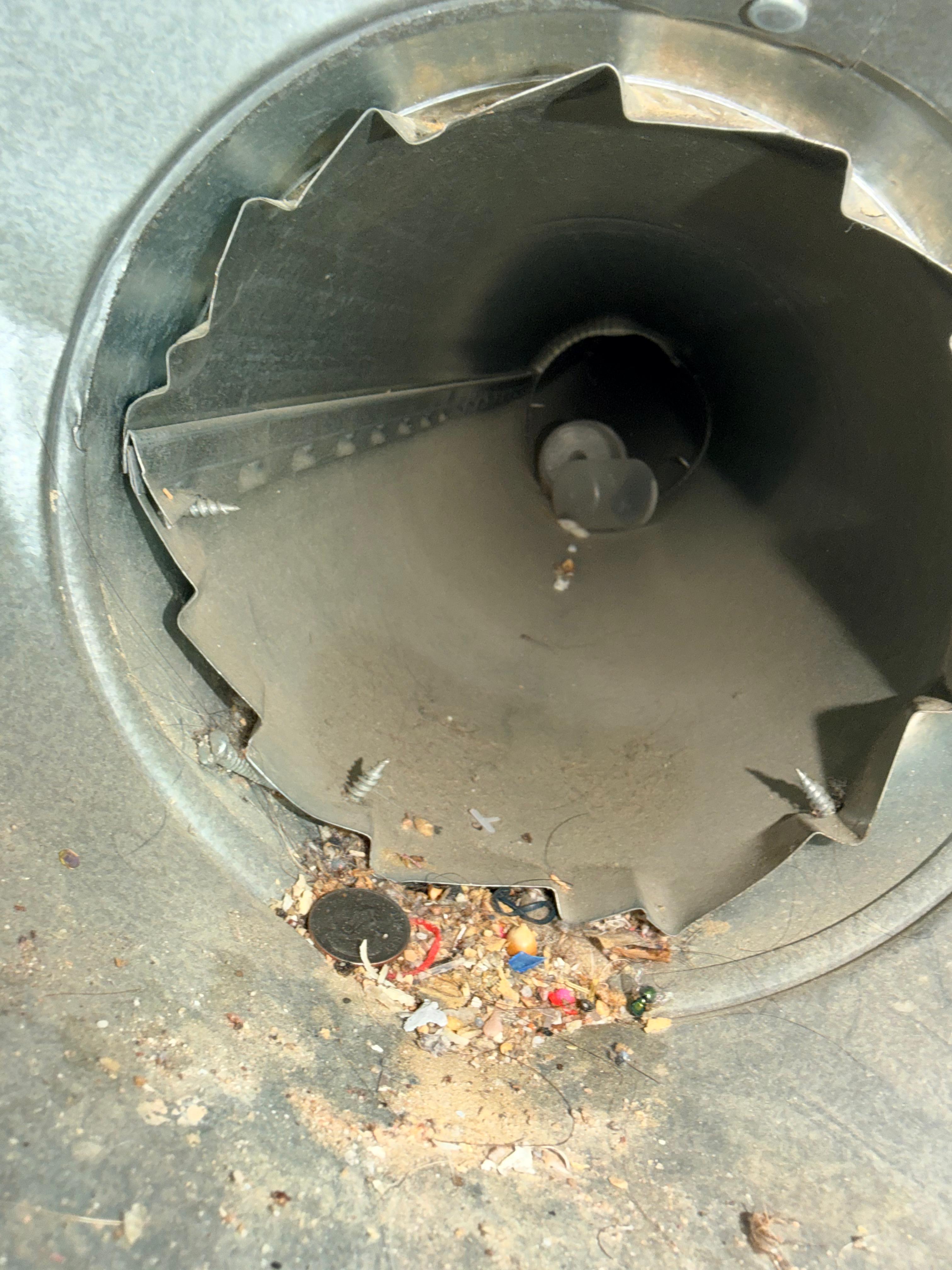
With spring in full swing, now is the perfect time to focus on indoor air quality. Simple maintenance tasks can make a big difference in reducing allergens.
Importance of Dryer Vent Cleaning
Regular dryer vent cleaning is vital for safety and air quality. It prevents lint buildup, reduces fire risks, and keeps your air clean.
Most homeowners overlook this task, underestimating its impact. Prioritizing vent cleaning ensures your home remains safe and your air pure.
Changing HVAC Filters
Changing HVAC filters is another key step. Clean filters trap dust and pollen, preventing them from circulating in your home.
People often forget this simple task. Regularly replacing filters keeps your system running smoothly and your air clear of allergens.
Other Indoor Air Quality Tips
Consider additional tips for maintaining air quality. Use air purifiers, keep windows closed during high pollen days, and regularly dust surfaces.
These small actions collectively improve your home’s environment. Many assume these steps are unnecessary, but they are part of a comprehensive approach to healthier living.
End your spring cleaning with confidence, knowing these measures will support a healthier, allergy-free season for you and your family.