Can Dirty Air Ducts Make Spring Allergies Worse? A Denver, CO Homeowner’s Guide
Dirty air ducts could be making your spring allergies worse without you realizing it. Pollen, dust, and pet dander get trapped inside your HVAC system and keep circulating through your home’s air. If you’ve been sneezing more or feeling stuffy indoors, your ducts might be the hidden culprit. In this guide, you’ll learn how air duct cleaning in Denver can help you breathe easier this allergy season.
How Dirty Air Ducts Worsen Allergies
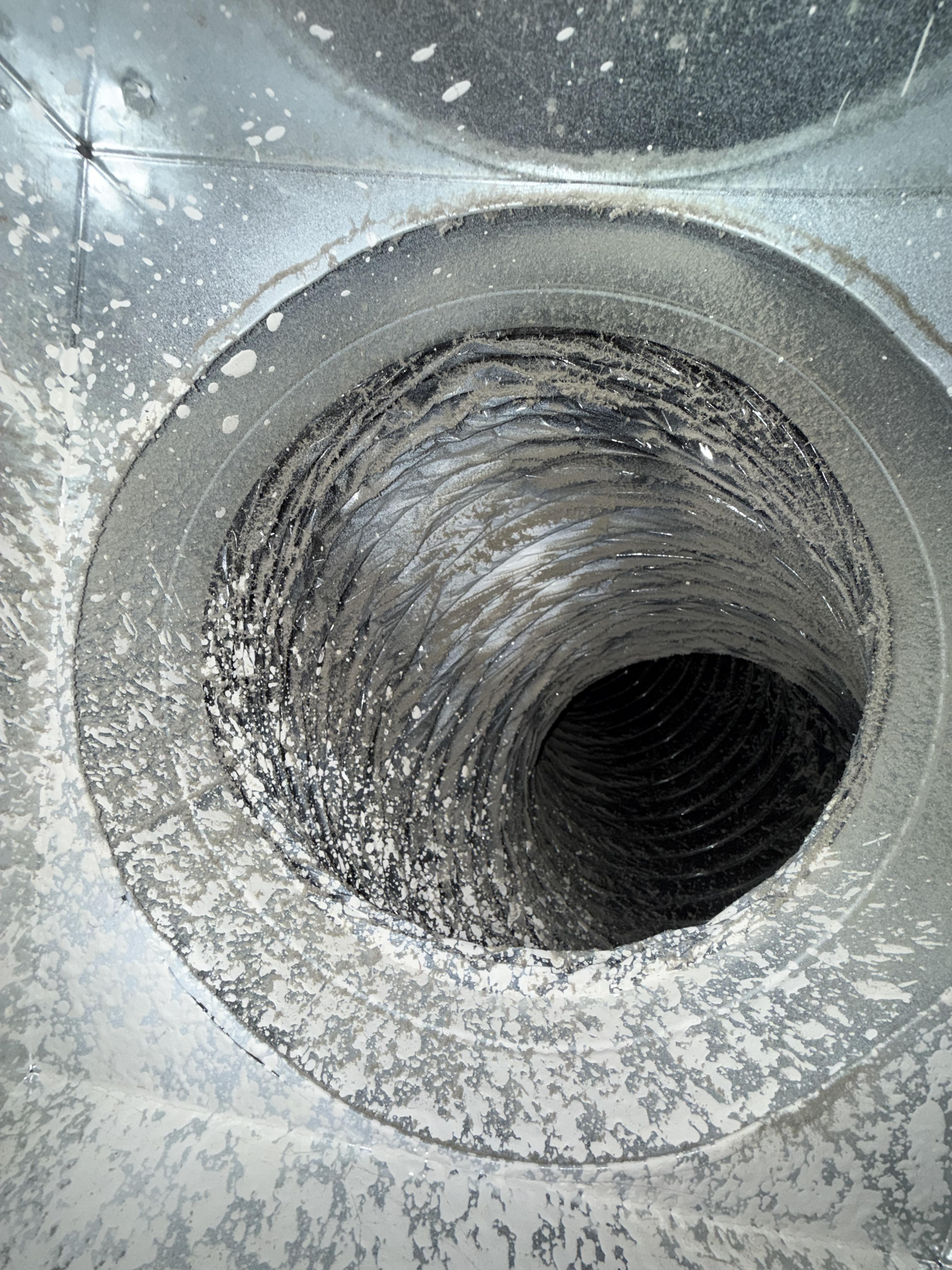
Have you noticed your allergies flaring up indoors? Your air ducts might be the reason. Let’s explore how these hidden pathways can make your spring allergies worse.
Pollen and Dust Accumulation
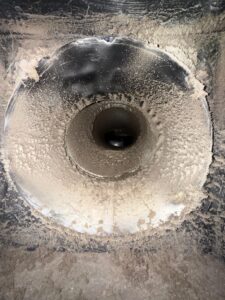
Imagine all the pollen and dust from outside finding a new home inside your ducts. This debris builds up over time, making your indoor air a haven for allergens. When your HVAC system runs, these particles circulate back into your living spaces, causing sneezing and discomfort. Regular cleaning can help reduce this buildup, making the air you breathe fresher and cleaner.
But it’s not just outdoor particles that settle in. Think about pet hair and dander. These can also accumulate, especially if you have furry friends. If not addressed, this can lead to worse allergy symptoms for both you and your pets. The key insight here: keeping your ducts clean helps keep these allergens at bay.
HVAC Circulation Concerns
Your HVAC system is like the lungs of your home. When ducts are dirty, the “airflow” gets compromised. This means allergens trapped inside continue circulating, never truly leaving your home. The constant circulation of contaminated air can lead to persistent allergy symptoms. Ensuring that your ducts are clean allows your system to operate efficiently, delivering fresh air throughout your home.
Most people think that air purifiers or opening windows can solve the problem. But if your ducts are clogged with allergens, these solutions only offer temporary relief. A thorough duct cleaning offers a more lasting impact on your home’s air quality.
Recognizing Allergy Symptoms
Wondering if your ducts are behind your allergy woes? Start by observing common symptoms. Are you sneezing more indoors, or experiencing itchy eyes without stepping outside? These could be signs that your indoor air is not as clean as it should be. Other symptoms include persistent coughing and a runny nose, which might seem like a cold but linger longer.
It’s easy to blame the weather or pollen count, but sometimes the issue lies within your home’s infrastructure. Understanding these symptoms helps you take proactive steps toward improving your indoor air quality.
Cleaning Schedule and Benefits
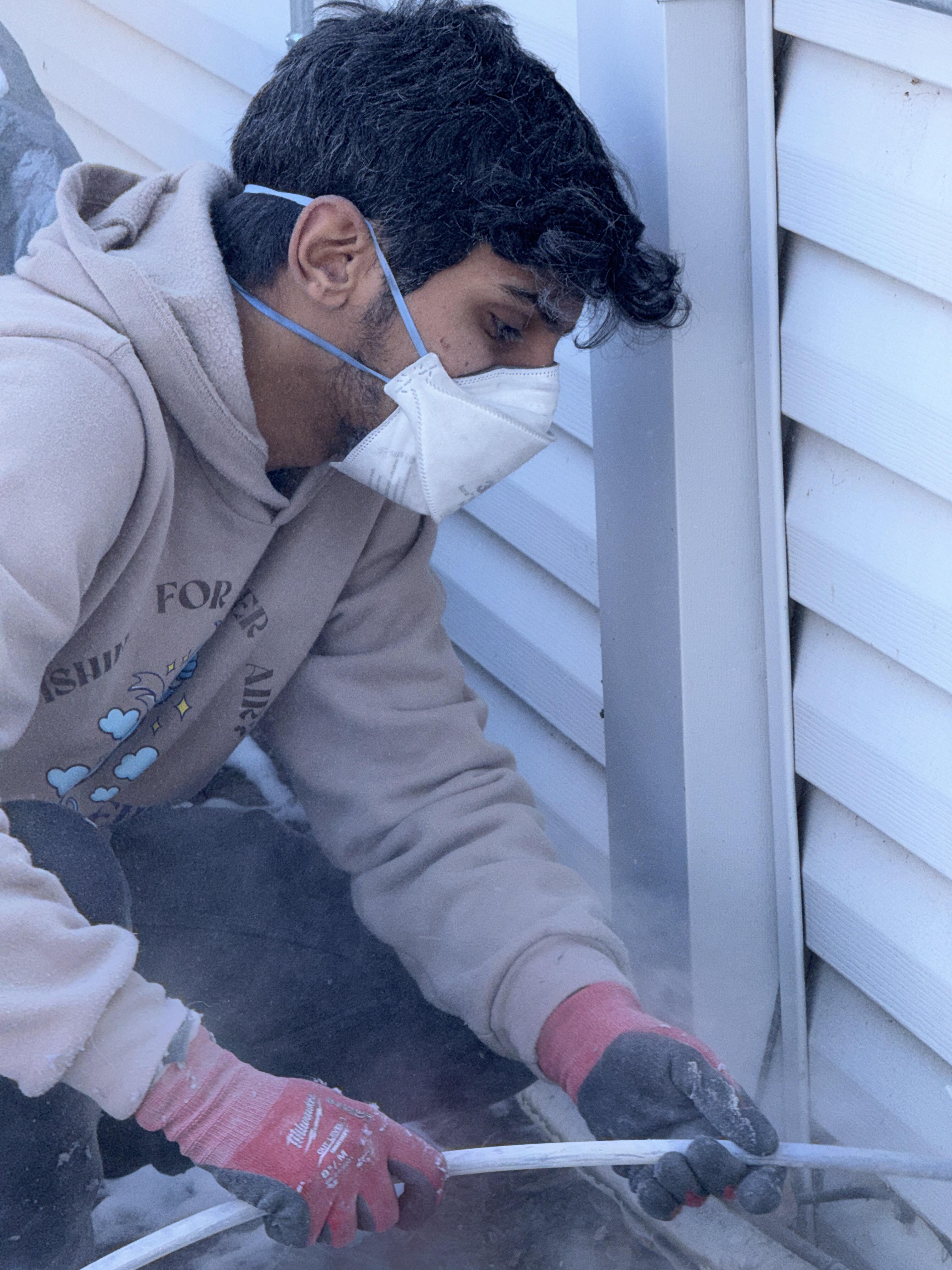
Now that we know the problem, let’s talk about timing and the benefits of cleaning. A well-planned cleaning schedule can make a world of difference.
Optimal Timing for Duct Cleaning
Spring is the perfect time to schedule duct cleaning. Allergens are at their peak, and a thorough cleaning can prevent them from taking over your home. Ideally, you should clean your ducts every 3 to 5 years. But if you have pets or live in a particularly dusty area, more frequent cleaning might be needed.
Regular cleaning not only helps with allergies but also enhances your HVAC system’s performance. When ducts are clear, your system doesn’t have to work as hard, saving you money on energy bills.
Professional Services vs DIY
Thinking about tackling the job yourself? While DIY cleaning might seem cost-effective, it often misses the hidden corners where allergens love to hide. Professional services use advanced equipment to reach every nook and cranny, ensuring a thorough clean. Plus, they can spot potential issues that an untrained eye might miss.
Investing in a professional service offers peace of mind. You’re not just paying for a service; you’re investing in your family’s health and comfort. Most experts recommend professional cleaning to ensure the job is done right.
Scheduling Your Cleaning
Ready to breathe easier? Scheduling a cleaning is as simple as picking up the phone. Many local professionals can accommodate your schedule, even offering weekend or evening appointments. Consider booking during off-peak times for better availability and sometimes even a discount.
Don’t wait until allergies become unbearable. The longer you wait, the more allergens build up. Taking action now ensures a healthier home environment for you and your loved ones.
Final Thoughts and Action Steps
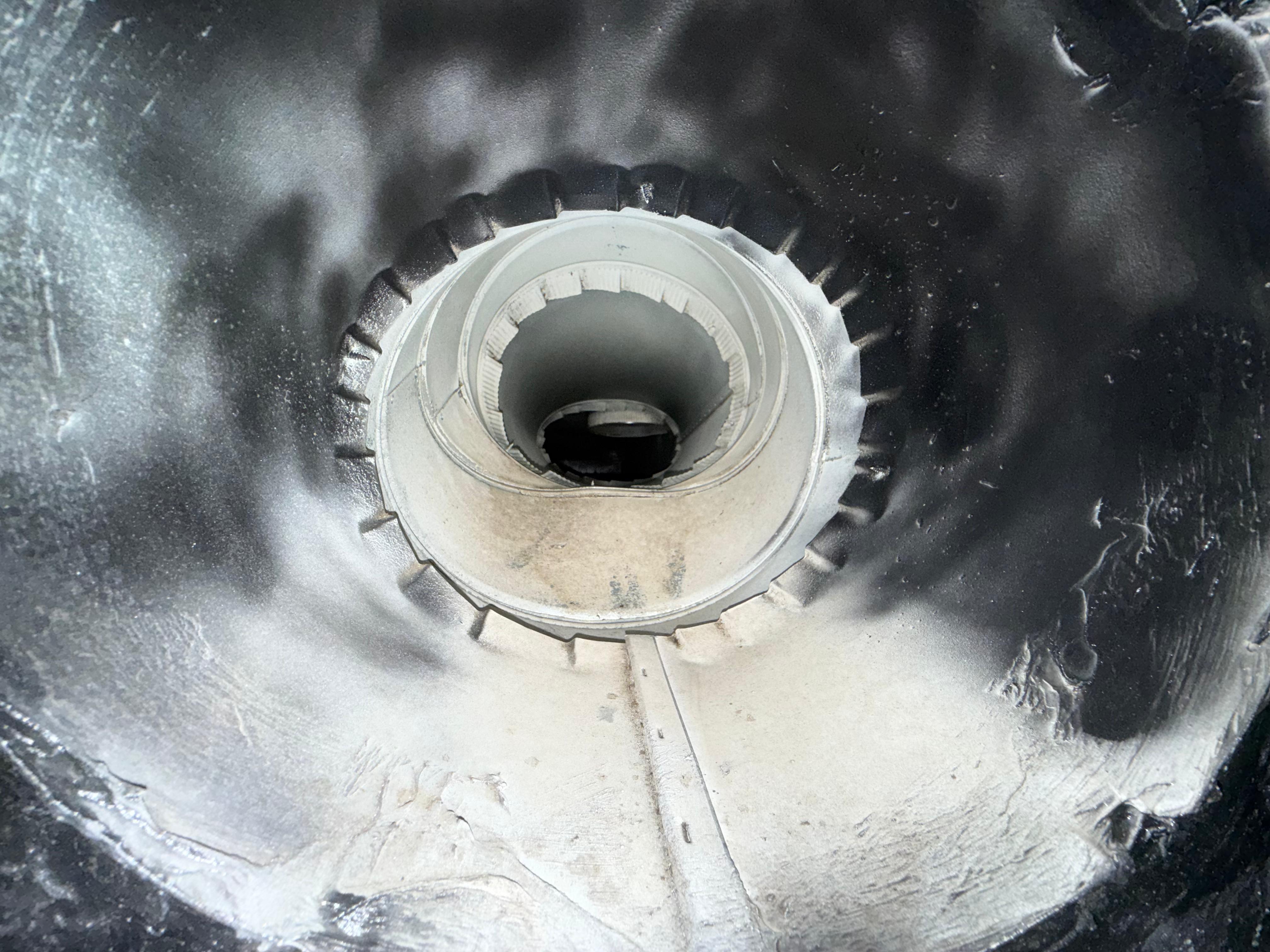
By now, you understand how duct cleaning can significantly improve your indoor air quality. Let’s wrap up with some actionable steps.
Emphasizing Local Expertise
When choosing a service, consider local experts who understand Glendale’s unique climate challenges. They are more familiar with common allergens in the area and can provide tailored advice. Their proximity also means quicker service and support whenever needed.
Most people might opt for big names, but local professionals often offer more personalized service. Their understanding of the regional environment gives them an edge in tackling local allergens effectively.
Encouraging Seasonal Maintenance
Make duct cleaning a part of your seasonal maintenance routine. Doing so not only improves air quality but also extends the life of your HVAC system. This proactive approach saves money in the long run and ensures a comfortable living environment year-round.
Remember, indoor air quality impacts your health. Taking steps to improve it today can lead to a healthier, happier tomorrow. Consider reaching out to a professional to discuss your specific needs and create a plan that works for your household.
Taking these steps ensures that you and your family enjoy a cleaner, healthier home, free from the discomfort of indoor allergens.